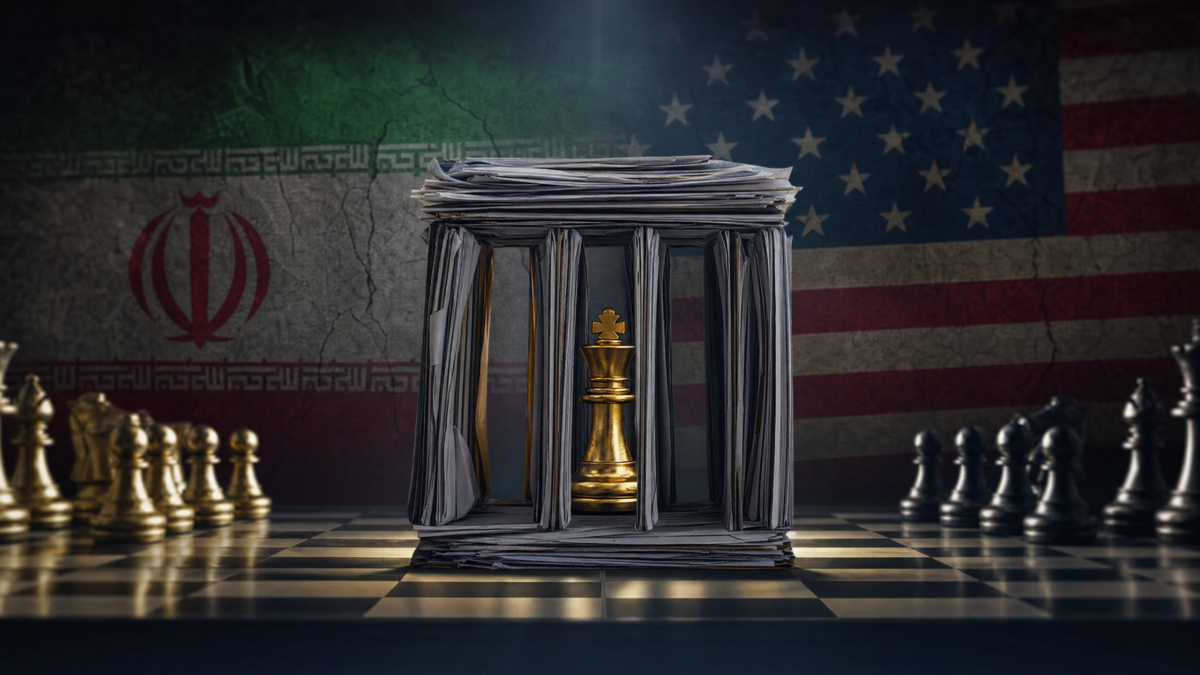
While mainstream media outlets celebrate the recent US-Iran ceasefire as a diplomatic victory, they are missing the forest for the trees. This is not a peace accord; it is a meticulously designed strategic trap, and the clerical regime in Tehran has walked right into it. The deal, presented as a pathway to de-escalation, is laden with conditions that are structurally impossible for the regime to meet without initiating its own collapse. This is not diplomacy—it is the art of war, executed with a pen instead of a sword.
A Deal Designed for Failure
The terms of the ceasefire are a masterclass in strategic design by President Trump’s administration. On the surface, they appear to be standard de-escalation measures. However, a deeper analysis reveals that they strike at the very foundations of the regime’s power. The requirements to cease all proxy activities, halt ballistic missile development, and submit to intrusive inspections are not negotiable points; they are demands for unconditional surrender. For the regime to comply would be to dismantle its revolutionary identity and its regional power projection, the two pillars upon which its entire existence is built.
The Libyan Redux
We have seen this playbook before. The situation is eerily reminiscent of the “Libya model.” In 2003, Muammar Gaddafi agreed to dismantle his weapons of mass destruction program, a move hailed at the time as a triumph of diplomacy. In reality, it was the beginning of the end. By surrendering his ultimate deterrent, Gaddafi exposed his regime to intervention, which ultimately led to his downfall in 2011. The clerical regime in Tehran is now on the same trajectory.
Desperation and Inevitable Collapse
The regime’s recent, desperate attacks on Saudi Arabia, Kuwait, and the UAE are not a sign of strength, but of a cornered animal lashing out. These provocations, occurring in the midst of a supposed ceasefire, are the predictable death throes of a failed state. They demonstrate to the world that the regime is a rogue actor, incapable of reform or peaceful coexistence. The regime is reacting precisely as anticipated, proving that it cannot keep the deal it signed and accelerating its own demise.